
Nvidia, LG Link Robotics With Datacentres
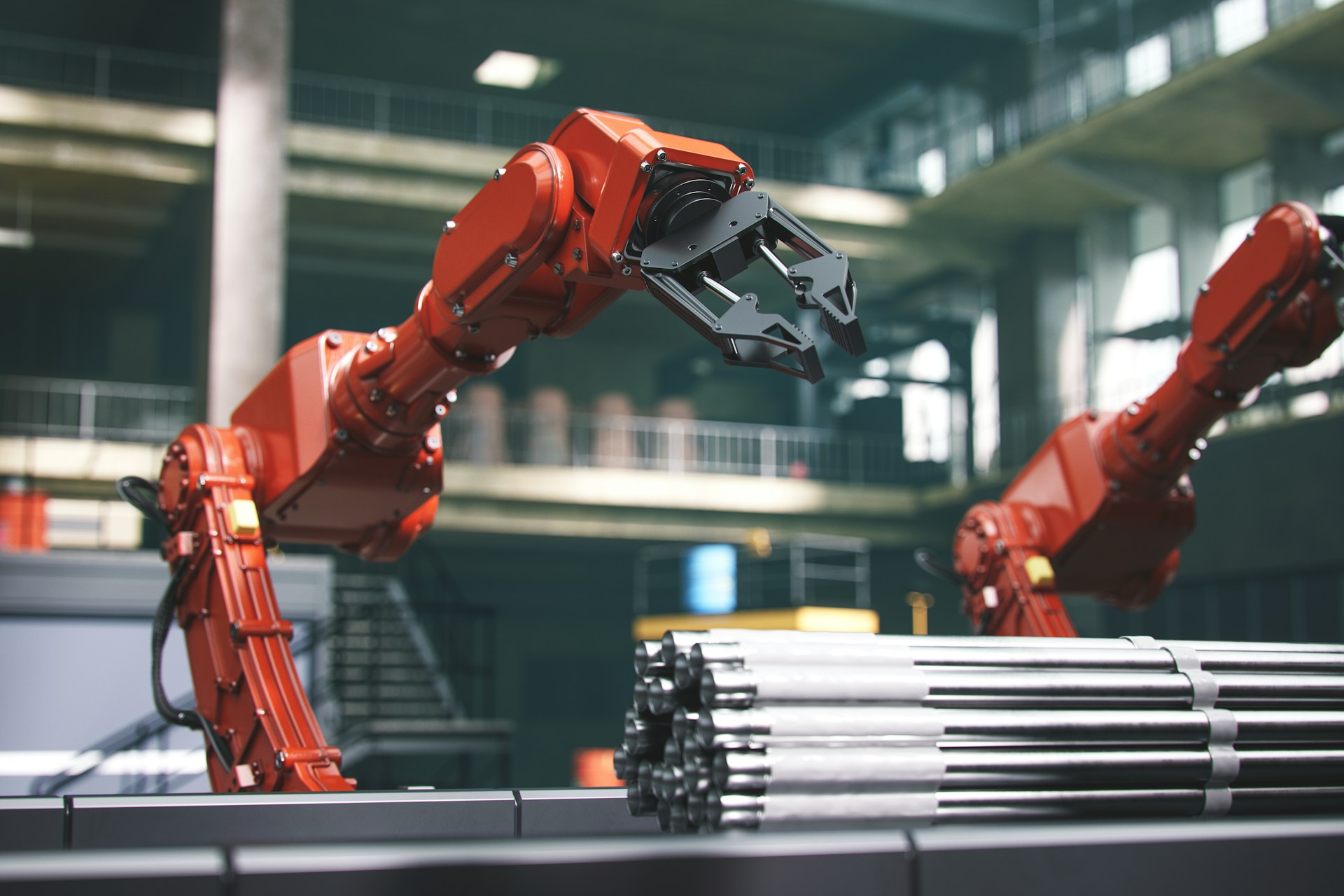
Nvidia is deepening its relationship with LG Group as the artificial intelligence hardware race expands from chips into robotics systems and next-generation datacentres. Chief executive Jensen Huang said in Seoul that Nvidia is working with the South Korean technology conglomerate on humanoid robots and datacentre architecture, placing LG inside two of the most strategically important areas of AI infrastructure.
The robotics work focuses on motor technology and mechanical systems, areas where LG’s manufacturing and hardware expertise can complement Nvidia’s computing platform. Huang said the companies are bringing these capabilities together for humanoid robotics and the future of the sector, pointing to a wider industry shift in which AI companies are moving beyond software and chips into physical machines.
The datacentre element is equally significant. Nvidia’s accelerated computing systems have become central to AI development, but the next phase of growth depends on how companies design the facilities that house, cool and connect those systems. Working with LG on future datacentres suggests Nvidia is looking at the full infrastructure stack, from processors and systems architecture to the physical environments needed to support heavier AI workloads.
For LG, the collaboration strengthens its position in high-value industrial technology at a time when robotics, automation and AI infrastructure are drawing more attention from global manufacturers. The partnership also reflects South Korea’s broader role in the AI supply chain, where hardware, components, displays, energy systems and advanced manufacturing remain critical to global technology competition.
The announcement is brief, but the direction is clear. Nvidia’s AI ambitions are no longer confined to the silicon powering models. They are moving into the factories, machines and datacentres that will determine how artificial intelligence becomes operational in the physical economy.