
Memory Chip Demand Lifts SK Hynix
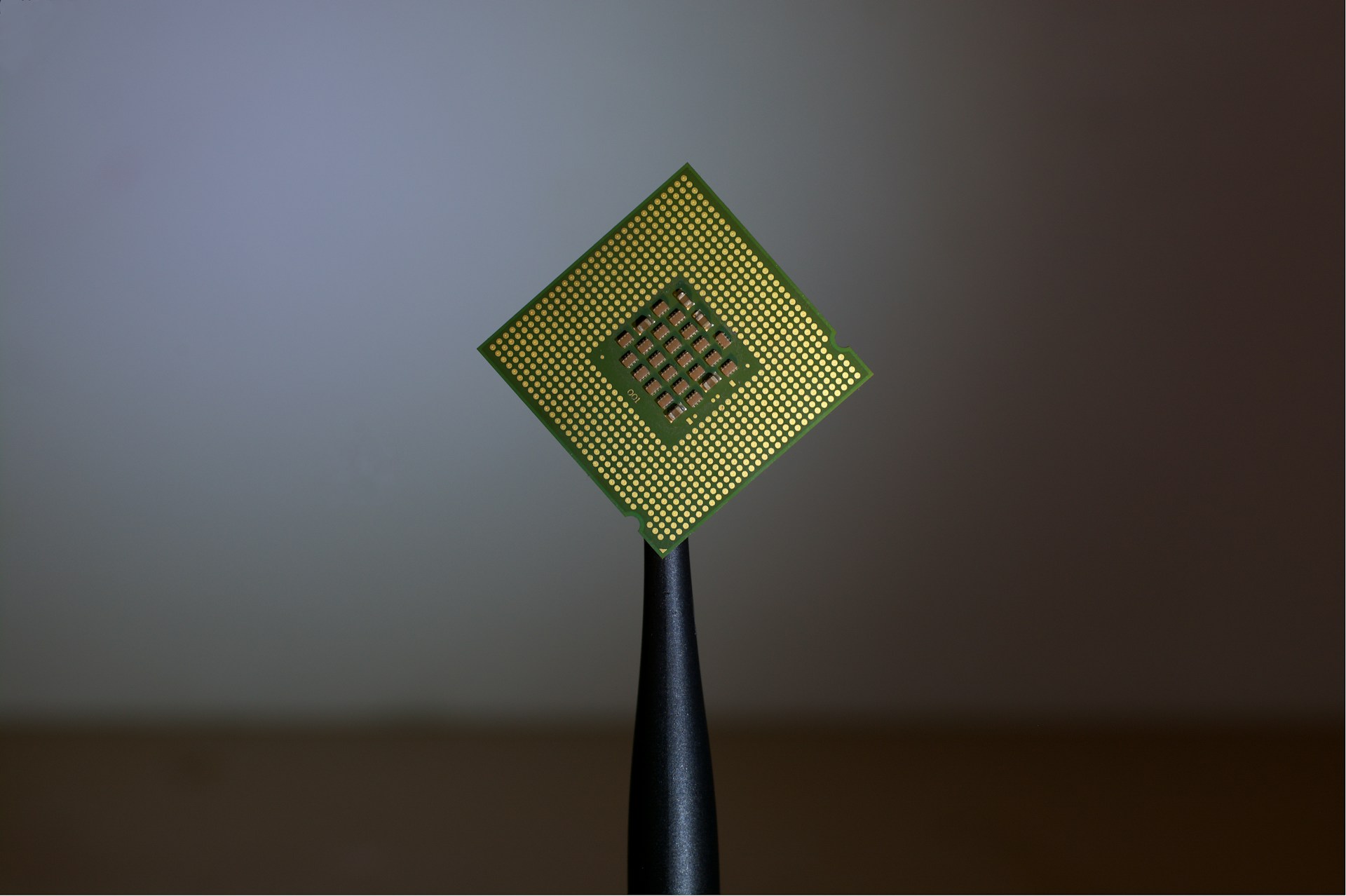
SK Hynix has surpassed Samsung Electronics to become South Korea’s most valuable listed company, marking a significant shift in the country’s technology landscape as investor attention increasingly centres on businesses positioned to benefit from the rapid expansion of artificial intelligence infrastructure.
The memory chipmaker’s shares rose more than 5 per cent on Monday, lifting its market capitalisation above that of Samsung for the first time since the electronics giant secured the top position in 2000. The milestone reflects the growing influence of AI-driven demand across the semiconductor sector, particularly for advanced memory products used in data centres and high-performance computing systems.
SK Hynix has emerged as one of the strongest beneficiaries of the AI investment cycle, with demand for its high-bandwidth memory chips accelerating as technology companies expand computing capacity to support increasingly sophisticated AI applications. The company’s strong positioning in this segment has fuelled investor optimism, helping drive a sustained rise in its share price and reinforcing expectations of robust earnings growth.
The company’s ascent also highlights a broader reordering of market priorities within South Korea’s corporate sector. For decades, Samsung has been the country’s dominant listed company and a symbol of its industrial strength. However, the rapid growth of AI-related spending has shifted investor focus towards businesses with direct exposure to the infrastructure underpinning next-generation computing. As a result, specialised memory manufacturers have gained prominence amid tightening supply conditions and improving pricing dynamics.
Earlier this year, SK Hynix joined the ranks of companies valued at more than one trillion dollars, underscoring the scale of enthusiasm surrounding advanced semiconductor producers. The rally has also contributed significantly to gains in South Korea’s equity market, where chipmakers account for a substantial share of overall market value.
The change in leadership reflects the semiconductor industry’s evolving competitive landscape, where market valuations are increasingly shaped by exposure to high-growth technology segments. While the gap between the two companies remains narrow, the development underscores the central role advanced memory technologies now play in determining investor sentiment and corporate standing within the global technology sector.