
ETL Systems and Engineering the Next Phase of Satcom
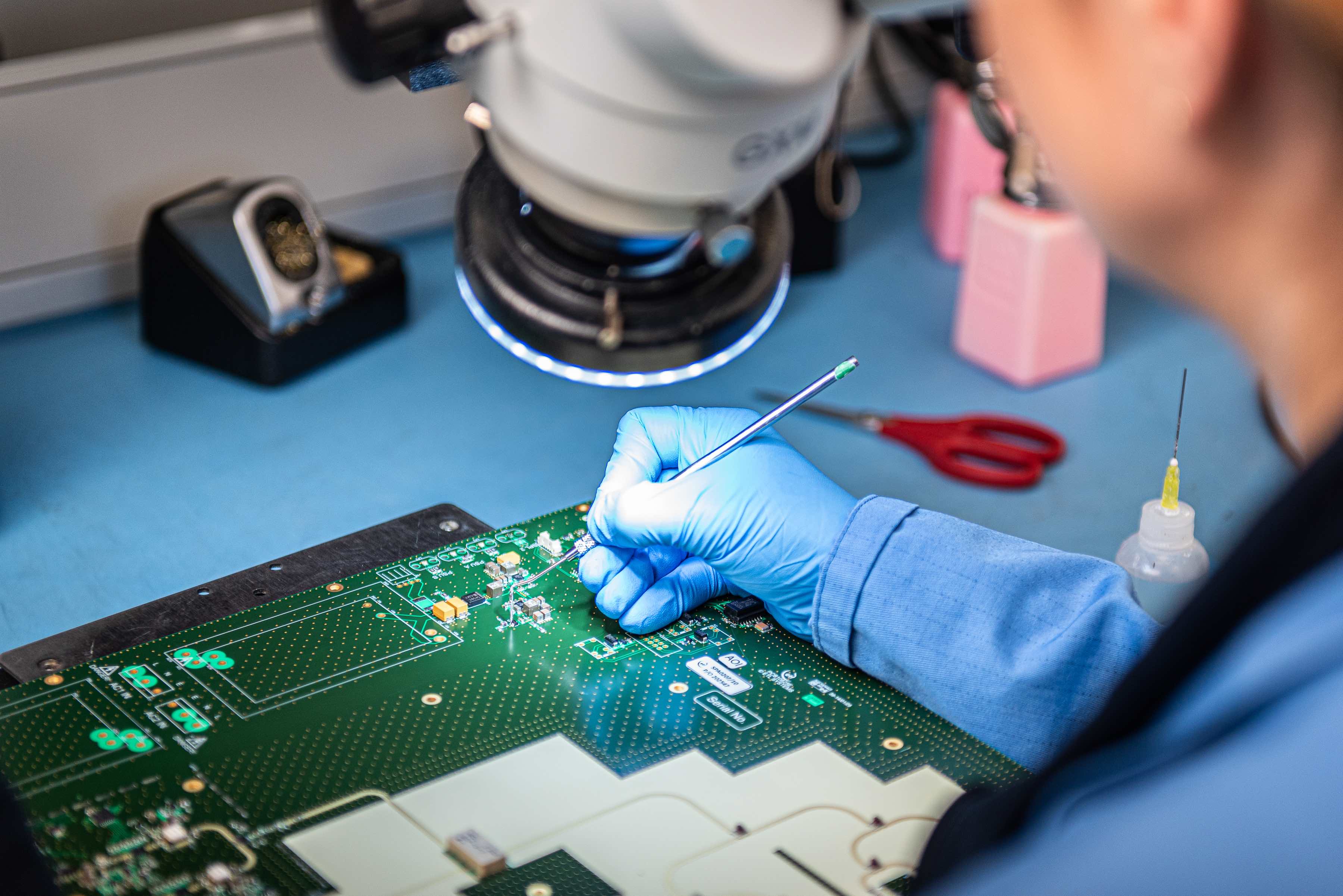
Satellite communications rarely attract attention when they are working as intended. Signals travel vast distances, data is routed across continents, and critical services continue uninterrupted. Yet behind this apparent simplicity sits a layer of ground infrastructure where failure is not abstract. Performance margins are narrow, tolerance for error is low, and reliability is shaped by engineering decisions made long before a system is deployed. As satellite networks expand and digitalise, the pressure on ground systems to perform consistently, at scale, has only increased.
ETL Systems has spent more than three decades operating within this reality. Trusted by the world’s leading satellite operators and teleports, the company designs and manufactures radiofrequency equipment that sits at the heart of mission-critical communications infrastructure. Its work spans the full RF chain between antenna and modem, combining product design, system integration, and hands-on support. Rather than approaching satellite ground systems as collections of interchangeable parts, ETL treats them as engineered environments where coherence, accountability, and long-term performance matter as much as innovation.
When Infrastructure Cannot Afford to Fail
Satellite communications underpin services that extend far beyond commercial broadcasting. They support global connectivity, emergency response, defence, navigation, and increasingly, digital services that depend on uninterrupted data flows. In these contexts, ground infrastructure is not simply a supporting layer; it is a critical point of control where reliability is either secured or compromised.
As demand grows and deployment models evolve, ground systems are under sustained pressure. Operators must manage higher throughput, tighter performance requirements, and expanding geographic footprints, often within constrained budgets and regulatory frameworks. Failure is costly, not only in financial terms but in reputational and operational impact. Reliability, therefore, is not an attribute added at the end of a project. It is the result of disciplined engineering, rigorous testing, and systems designed with real-world conditions in mind.
ETL Systems’ work has long been shaped by these stakes. Its equipment is built for environments where performance cannot degrade quietly and where resilience is measured over years, not deployment milestones. This focus on reliability as an engineering discipline underpins the company’s approach to both product development and customer engagement.
From Components to Systems Thinking
Historically, satellite ground stations evolved through incremental additions. New components were introduced to meet emerging requirements, often sourced from different vendors and integrated under tight timelines. While this approach delivered short-term flexibility, it also introduced fragmentation across RF chains, complicating optimisation, troubleshooting, and long-term maintenance.
As systems grow more complex, the limitations of fragmented architectures become clearer. Discrete components may perform well individually, yet fail to deliver optimal performance as a system. Interfaces introduce inefficiencies, accountability becomes diffuse, and opportunities for optimisation are lost.
ETL Systems has taken a different approach by retaining full control over design, engineering, and manufacturing. By offering products that cover every stage of the signal conditioning process between antenna and modem, the company is able to specify and build RF chains as integrated systems. This end-to-end control enables tighter quality management, faster iteration, and the ability to fine-tune performance across the entire signal path. For customers operating mission-critical infrastructure, this systems-level thinking translates into greater confidence and fewer unknowns over the lifecycle of a deployment.
Engineering the Digital Shift in Satcom
The satellite communications industry is undergoing a structural shift as ground systems move towards digital and software-defined architectures. RF over IP, digitisation at the network edge, and the expansion into higher frequency bands are reshaping how signals are processed, transported, and managed.
These changes promise greater flexibility and scalability, but they also introduce new complexity. Digitising RF signals moves processing closer to the edge of the network, placing greater demands on system design and integration. Similarly, the move towards mmWave and Q/V-band spectrum opens new capacity, while tightening performance tolerances and environmental constraints.
ETL Systems has been actively involved in this transition, contributing to digitisation initiatives through programmes such as the European Space Agency’s ARTES project and advancing next-generation RF over IP technology. Its R&D teams are also working on products designed to support emerging spectrum requirements, ensuring that ground infrastructure can adapt as satellite networks continue to evolve. In this context, engineering depth is not optional. It is essential to ensuring that digital transformation enhances reliability rather than undermining it.
Partnership, Presence, and Long-Term Trust
Mission-critical infrastructure projects rarely succeed through transactional relationships alone. They require early alignment, clear understanding of technical and commercial constraints, and ongoing collaboration as systems move from design to deployment and operation.
ETL Systems’ engagement model reflects this reality. Multidisciplinary project teams bring together sales, engineering, and operations expertise from the outset, enabling a shared view of objectives, risks, and delivery requirements. For complex projects, the company draws on a broad base of in-house RF specialists, supporting advanced system design and witnessed testing.
Despite operating in a highly digital industry, ETL places strong value on face-to-face engagement. Engineers work directly with customers on specifications, integration, and commissioning, ensuring that solutions are optimised in situ. This hands-on approach extends beyond delivery, with lifetime support offered across the product range. The result is a level of continuity and trust reflected in the fact that more than three-quarters of ETL’s orders come from repeat customers.
Recent acquisitions have expanded ETL Systems’ capability to deliver complete end-to-end RF solutions, reinforcing its position within the evolving satellite communications ecosystem. Strategic partnerships further extend this offering, enabling the company to support customers from system design through installation and operation without diluting accountability.
Recognition through multiple Queen’s Awards for Enterprise and participation in national and European space programmes reflect the consistency of this approach rather than its objective. Looking ahead, ETL continues to invest in engineering, manufacturing, and innovation that align with the long-term needs of satellite infrastructure. In an industry where systems are expected to perform under pressure and adapt over decades, ETL Systems remains focused on engineering the next phase of satellite communications with discipline, care, and foresight.