
Canada Picks German Submarine Technology for Arctic Defence
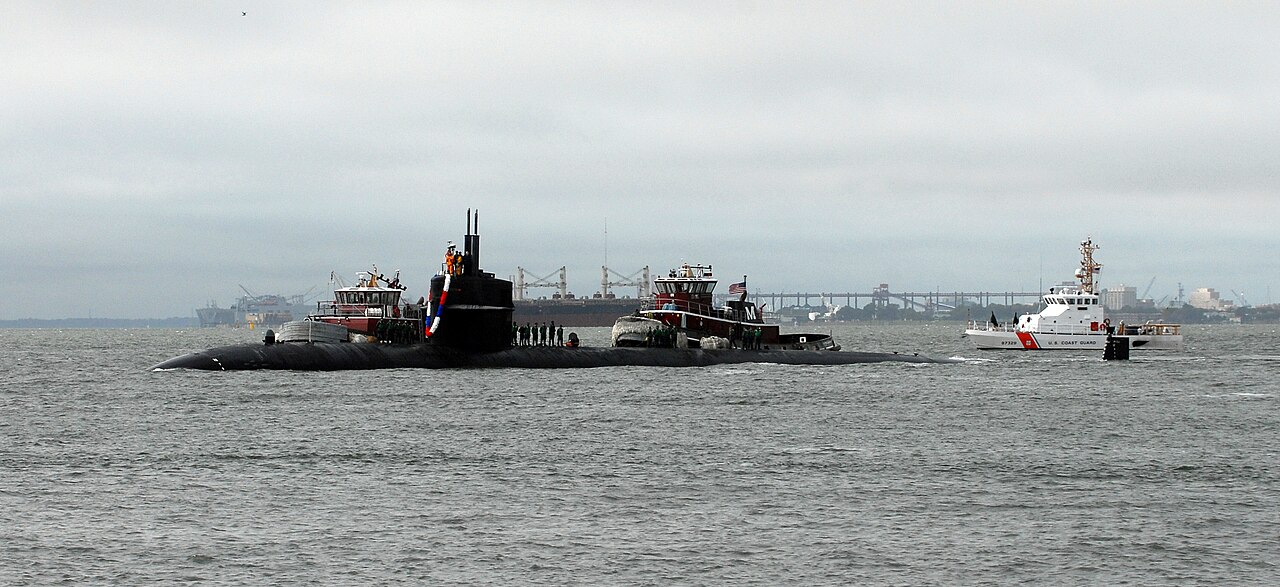
Canada’s decision to buy 12 advanced German submarines marks a major defence technology shift, with Ottawa choosing ThyssenKrupp Marine Systems over South Korea’s Hanwha Ocean after a closely watched bidding contest.
The order is expected to replace Canada’s ageing fleet of secondhand submarines, most of which are currently undergoing maintenance. It also represents the first time the country has bought brand-new submarines, giving the Royal Canadian Navy a clearer route to modernising its undersea capability at a time when Arctic security is becoming more strategically important.
The German 212CD diesel-electric submarines are designed with modern stealth technology and are expected to support longer surveillance missions in contested waters. For Canada, that capability is especially relevant in the Arctic, where melting routes, military competition and the Northwest Passage are placing greater pressure on defence planning.
The deal also strengthens Canada’s defence ties with Nato. TKMS is a major supplier of non-nuclear submarines to the alliance, and Germany had positioned its bid around Nato compatibility as well as wider industrial benefits. South Korea’s Hanwha Ocean offered a larger submarine and promised economic spillovers in Canada, but Ottawa ultimately chose the German option.
The contract is estimated at more than $12 billion for the submarines alone, while long-term maintenance could push the total cost far higher over several decades. Final negotiations between Canada and TKMS could still take years, meaning the procurement process is not yet complete.
The decision comes as Canada increases defence spending and looks for more European suppliers while reducing reliance on the United States. The submarine choice now gives Ottawa a major new platform for Arctic patrols, but the scale, cost and delivery timeline will remain closely watched.